Start here
Emergency readiness checklists for an ordinary household
Water, power, food, documents and tools, in the order that actually matters. Written by three people who handled these problems for a living before they wrote about them.
Water
One gallon per person per day
The federal baseline for drinking and sanitation. Two weeks of it is the number almost no household reaches.
Power
Seven hours a year
That was the 2021 national average. Take the storms out and it drops close to two. The average is not what hurts you.
Food
Four hours, door shut
How long a refrigerator holds once the power stops. Every time somebody opens it to look, part of that is spent.
Tools
One blade, maintained
The only line on the list that is not consumed by the emergency it was bought for.
How this works
Where should a household actually start?
Start with water, then power, then food. Those three settle most of what an outage does to a house, and most homes already own half of what they need.
Readiness feels impossible because it is usually sold as a shopping list. Buy the bucket, buy the bag, buy the radio. The list never ends, because there is always one more thing to add to it, and nothing on it ever gets marked as finished.
We organise it the other way around. A system is a decision you make once, on a normal day, and then stop making: where the water is, who calls the pharmacy, which room gets heated. Gear follows from the decision instead of standing in for it. That is the whole method, and it gives the site five working areas.
- Food and water storage. What to keep, how much, and how to rotate it without throwing food away.
- Power outages and home heat. The first four hours, generators, and cooking when the range is dead.
- Kits and gear. What belongs in a 72-hour kit and what only looks like it does.
- Evacuation and route planning. Leaving in twenty minutes, and knowing where the documents are.
- Blades and edge care. The one category of gear a household buys once and keeps for thirty years.
None of this assumes you are a prepper. Most people find a site like this the week after an outage, not the year before one.
Start here
Three checklists that cover the first seventy-two hours
Each checklist is one afternoon of work. Do them in order: the second and third both assume the first one is finished.
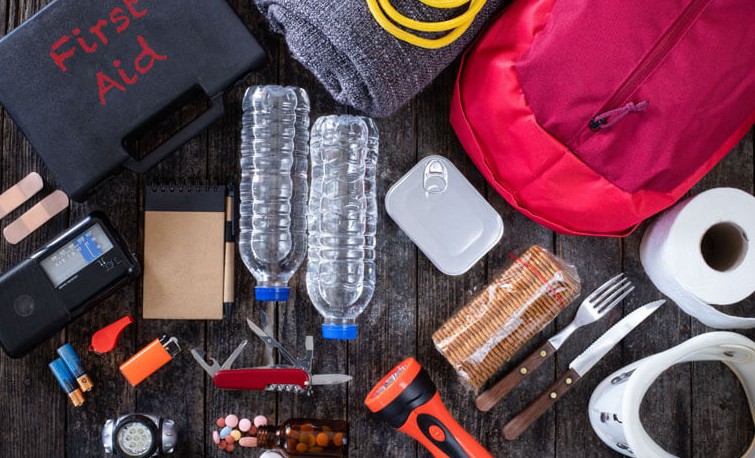
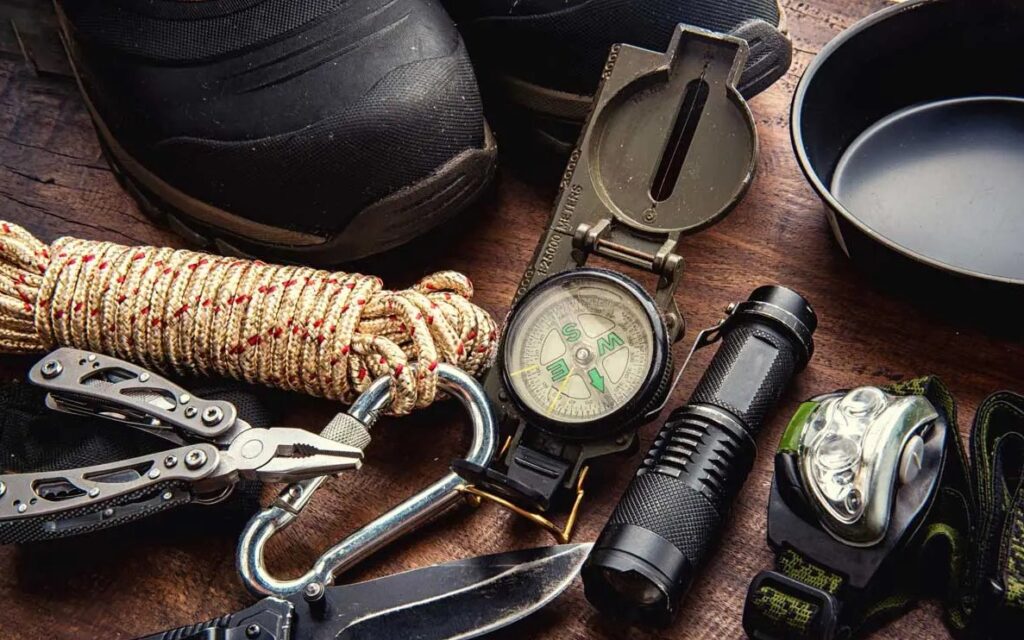
The 72-Hour Baseline
The smallest kit that still gets a household of four through three days with no outside help and no shopping trip.
- Count people, pets and prescriptions before you buy anything
- Store three days of water first, then work toward fourteen
- Put light, heat and a blade in one place you can reach in the dark
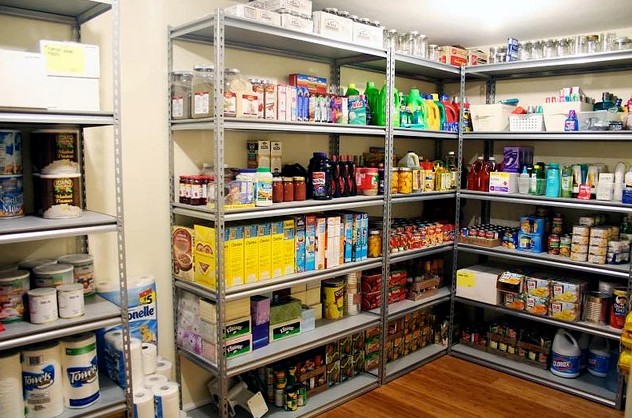
Two Weeks of Food You Will Actually Eat
A pantry built out of food already in your weekly rotation, so nothing expires unnoticed and nothing gets thrown out.
- Write down what your household eats in a normal week
- Buy two of each shelf stable item on that list, not new ones
- Date the lids and pull from the front, every time
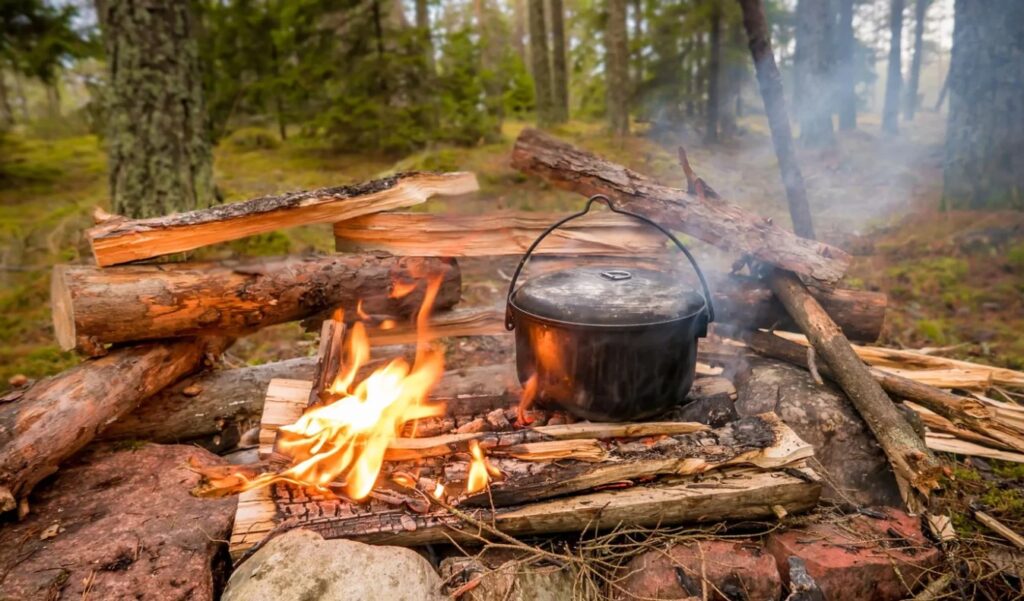
The First Night Without Power
What to do in the first four hours of an outage, in the order that saves the most food and the most heat.
- Write down the time the power went out. Everything after depends on it
- Leave the freezer shut and move only what you will cook tonight
- Pick one room to heat and close the rest of the house
From the field
Guides built from things that actually went wrong
Every guide here starts from a failure we can describe: a lost freezer, a bag packed for the wrong disaster, a handle that cracked in the cold.
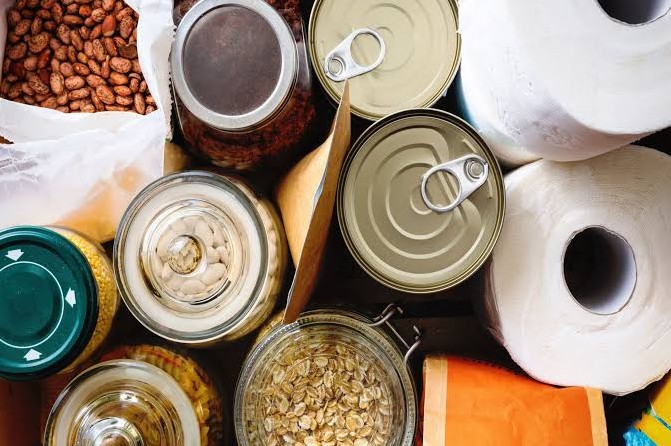
Food · Tested
What Two Weeks of Food Looks Like When You Lay It Out
We emptied three pantries onto the floor and counted. Two of the three were a week short of what their owners believed.

Evacuation
Go Bag or Stay Put Bin: What Your ZIP Code Argues For
Most American households evacuate once a decade and lose power every year. Build for the frequent event first.
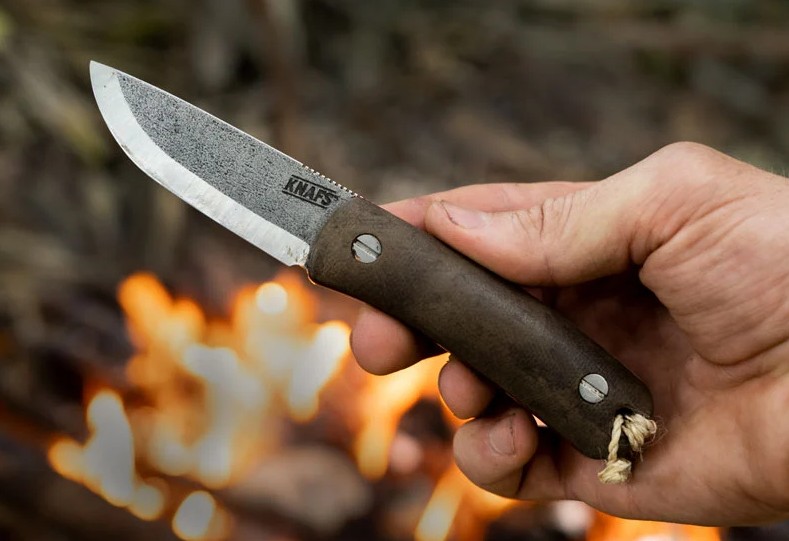
Blades · Maintenance
Keeping an Edge When the Shop Is Closed
Field sharpening with what you already carry, and the three mistakes that ruin a good blade fastest.
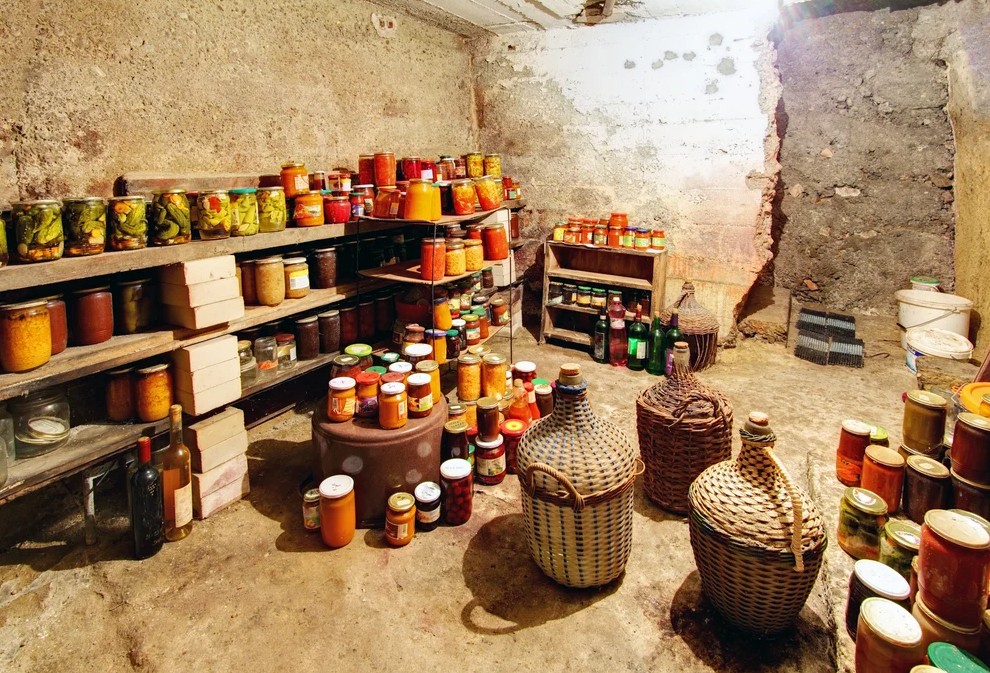
Food · Storage
Rotating a Cellar Without Throwing Food Away
A two bin system that survived four years in our own kitchens, including the year we got it wrong.

Tool note
Why does one tool in the kit outlast all the others?
Almost everything in a readiness kit is consumable. The knife is not. Bought once and maintained, it is still working long after the storm.
Batteries die. Filters clog. Food rotates out whether you use it or not. The blade is the only line on the list that gets better the longer you own it, provided it was built to be maintained rather than replaced. That is a manufacturing question rather than a marketing one: full tang or not, a heat treatment the maker will actually tell you about, a grind chosen for a job, and a handle that still holds when your hands are cold and wet.
Steel, grind geometry and heat treatment are decided by whoever ground the blade, and small shops will usually tell you what they chose and why. A gallery of custom knives from small independent makers puts those choices side by side, so you can compare steel and handle material before you spend anything. We keep one in the house kit and one in the truck. Neither has been replaced since 2019.
What the numbers say
What four winters of outage notes actually showed
Four numbers change how a household plans, and three of them come from federal sources almost nobody reads before an outage.
American electricity customers averaged just over seven hours of interruption in 2021. Strip out the major events, the snowstorms and hurricanes and wildfires, and the figure sits near two hours, where it has sat every year since 2013, according to the U.S. Energy Information Administration. Read those two numbers together and the planning problem becomes obvious. The average year is fine. The bad night is the entire risk, and it does not appear in the average at all.
A refrigerator holds food safe for about four hours with the door closed, and anything perishable that sits above 40 degrees for two hours or more should go in the bin, per Ready.gov. Four hours is a budget, not a guarantee. Treat a full freezer the way you would treat a charged battery you have no way to recharge: you are not keeping cold in, you are spending a fixed amount of stored cold, and every time the lid comes up that is a withdrawal.
Expert note from Dan Brackett, founder and former distribution lineman
The mistake I saw most often across nine ice storms was not a missing generator. It was somebody running one in the garage with the door cracked open. Twenty feet from the house, pointed away from every window and door, or do not run it at all. There is no version of this where you get a second chance.
The order that saved the most food
Sequence matters more than equipment in the first twelve hours. This is the order we settled on after logging four winters of outages across three households.
- Write down the time the power went out, on paper, where everyone can see it.
- Open the refrigerator once, take out what you will cook tonight, and shut it.
- Leave the freezer closed until hour twelve, then check it with a thermometer rather than your hand.
- Move refrigerator items down into the freezer, never the other way around.
The first winter we tried this, one house lost most of a chest freezer because three different people checked it over the course of an evening. Before the next outage the same household taped a sheet of paper to the lid with one line on it, do not open before 9pm, and came out of a thirty one hour outage having thrown away a single bag of shrimp. The rule cost nothing. It was the difference between forty dollars of food and three hundred.
Two facts that almost never make a checklist. Twenty five pounds of dry ice will hold a ten cubic foot freezer below freezing for three to four days, which is longer than most outages you will ever see. And the water heater already standing in most American homes holds thirty to fifty gallons of drinkable water that survives the outage with you, which makes the federal baseline of one gallon per person per day look a great deal less frightening once you count it.
Comparison
Blade steels, judged by what an outage asks of them
Not a lab ranking. This is how four common steels behaved across four winters of storm cleanup, wet food prep and cold weather work.
Expert note from Abel Cortines, tools and edge care
People buy the hardest steel they can afford and then find out they cannot bring it back in a parking lot. Edge holding and easy sharpening pull against each other the way tire compound does in racing: the grippier the rubber, the sooner it is gone. Pick the one that matches how often you are willing to sit down with a stone.
| Steel | Edge holding | Corrosion | Field sharpening | Where it fits |
|---|---|---|---|---|
| 1095 carbon | Moderate | Poor, patinas within days | Easiest of the four, a pocket stone is enough | Dry storage and wood work, for anyone who will actually wipe it down |
| 440C stainless | Moderate | Strong | Straightforward | Wet work and coastal households, the low maintenance default |
| CPM-154 | High | Strong | Slower, wants a diamond plate | A kit blade you sharpen twice a year and forget in between |
| CPM-3V | High | Moderate | Slowest, not a roadside job | Batoning and abuse, where chipping costs more than dulling |
Choosing CPM-3V for toughness costs you the roadside touch up. Choosing 1095 for easy sharpening costs you a blade that will rust if you leave it wet overnight. Nothing on this table wins every column, and any page that tells you otherwise is selling one of them.
By scenario
What is happening to you right now?
Four situations account for most American household emergencies. Each entry below answers one question and then stops.
Power and Heat
Water and Food
Kit and Tools
Who writes this
Who writes this, and what have they actually done?
Three people: a rural lineman, a county floodplain manager and a former wildland firefighter. Every guide on the site carries one of their names.
Names link to a full biography with the work history behind the advice, because advice without a person attached to it is worth very little. The same three rules apply to everything published here.
- We do not sell food buckets, and there are no affiliate links inside the guides.
- We do not publish anything none of us has done, watched fail, or repaired afterwards.
- We do not write about politics, and we do not use fear to make a point.
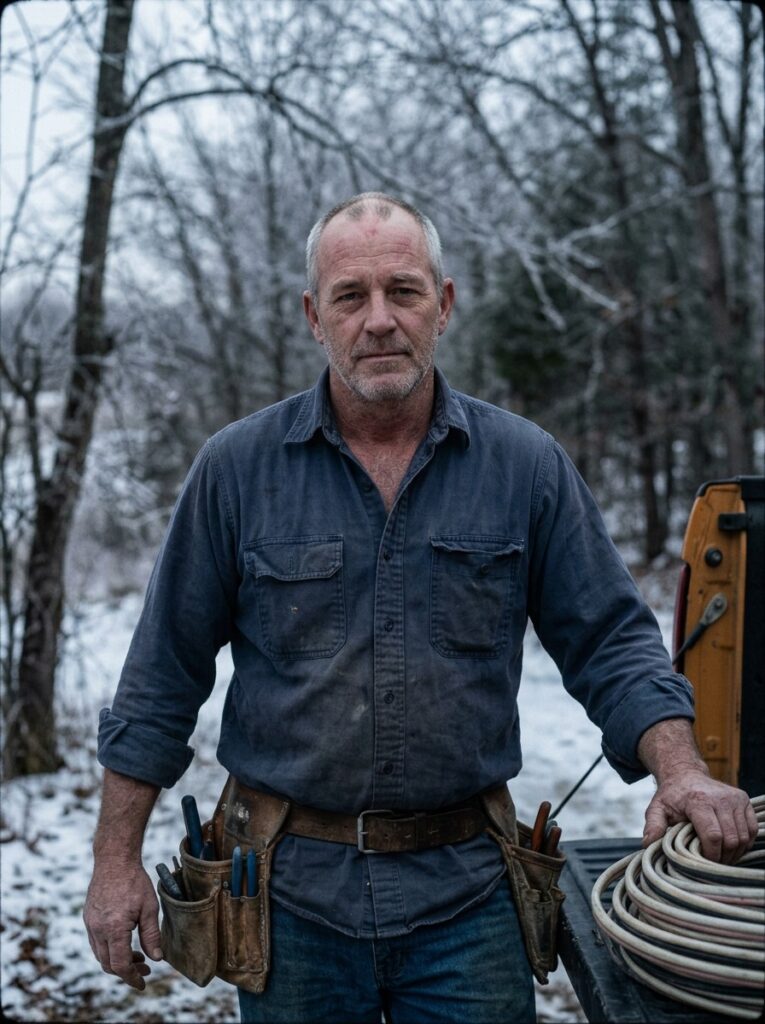
Founder · Power
Dan Brackett
56, southern Missouri. Twenty-two years as a rural distribution lineman. Has put the lights back on in the same six counties through nine ice storms.

Water · Evacuation
Renata Sowell
41, coastal Alabama. Eleven years as a county floodplain manager. Writes the water and evacuation material, mostly out of other people’s mistakes.

Tools · Edge care
Abel Cortines
48, northern New Mexico. Fourteen seasons on a wildland fire crew, then a saw and sharpening shop. Handles everything here with an edge on it.
The households that came through the 2021 freeze in one piece were not the ones with the most equipment. They were the ones who had already decided, on a normal Tuesday, which room they would heat and who was making that call.
Dan Brackett, founder, Ozark County, Missouri
Everything on this site, in the order you should read it
The full index of readiness guides, grouped by what is happening to you rather than by what we felt like writing that month.