Three people write this site: a rural lineman, a county floodplain manager and a former wildland firefighter. All three did the work before they wrote about it.
None of us set out to run a website. We started keeping notes because the same mistakes kept showing up in the same houses, winter after winter, and because the advice people were finding online was either a shopping list or a sermon. This site is what those notes turned into: short, finite checklists for the things that actually happen to American households, written by people who can tell you what went wrong the first time they tried it.
22
Years on rural distribution lines
11
Years managing a county floodplain
14
Seasons on a wildland fire crew
4
Winters of outage notes behind these guides
Origin
How did this site start?
It started as a paper notebook Dan kept during the February 2021 freeze, listing what each household was missing when the trucks finally reached them.
He was on a line crew for eleven days that month. The pattern he wrote down was not about equipment. The houses that came through in decent shape had made a handful of decisions before the storm, and the houses that struggled were still arguing about them at hour thirty. That notebook is the reason this site is organised around decisions rather than products.
- February 2021Dan works eleven days of the Texas and Ozark freeze and starts writing down what each house was missing when power came back.
- Winter 2022Renata, who had been running evacuation planning for a Gulf Coast county, starts logging her own outages the same way. Two households, one notebook format.
- 2024Abel joins after rebuilding a batch of blades that people had ruined trying to sharpen them during an outage. He brings the tool and edge material with him.
- 2026Four winters of notes across three households become the guides on this site. The checklists are the parts that worked twice.
Method
What we mean by a system
A system is a decision you make once, on an ordinary day, and then stop making. Gear follows from the decision. It does not replace it.
Which room gets heated. Who calls the pharmacy about a refill. Where the water is stored and who can physically carry it. Whether the freezer gets opened before hour twelve. Every one of those is free, takes a few minutes, and does more for a household than another case of freeze dried food.
It also means we can tell you when you are done. A shopping list has no end. A decision does.
Standards
The three rules we hold ourselves to
They are short on purpose. Every guide on this site is checked against them before it goes up.
Nothing we have not done
If none of the three of us has done it, watched it fail, or repaired it afterwards, it does not go on the site. That rules out a lot of popular advice, including some we used to repeat.
Numbers, or nothing
Claims come with a figure and a source. Where the number is ours rather than federal, we say how we got it, how many households it covers, and where it stopped holding up.
No fear, no politics
We write about ice storms, not about collapse. Nobody makes better decisions while frightened, and a household that is scared into buying a bucket usually never opens it.
The team
Who writes what?
Three people, three areas, no overlap. Every guide carries the name of whoever is responsible for it, and every name links to a full work history.
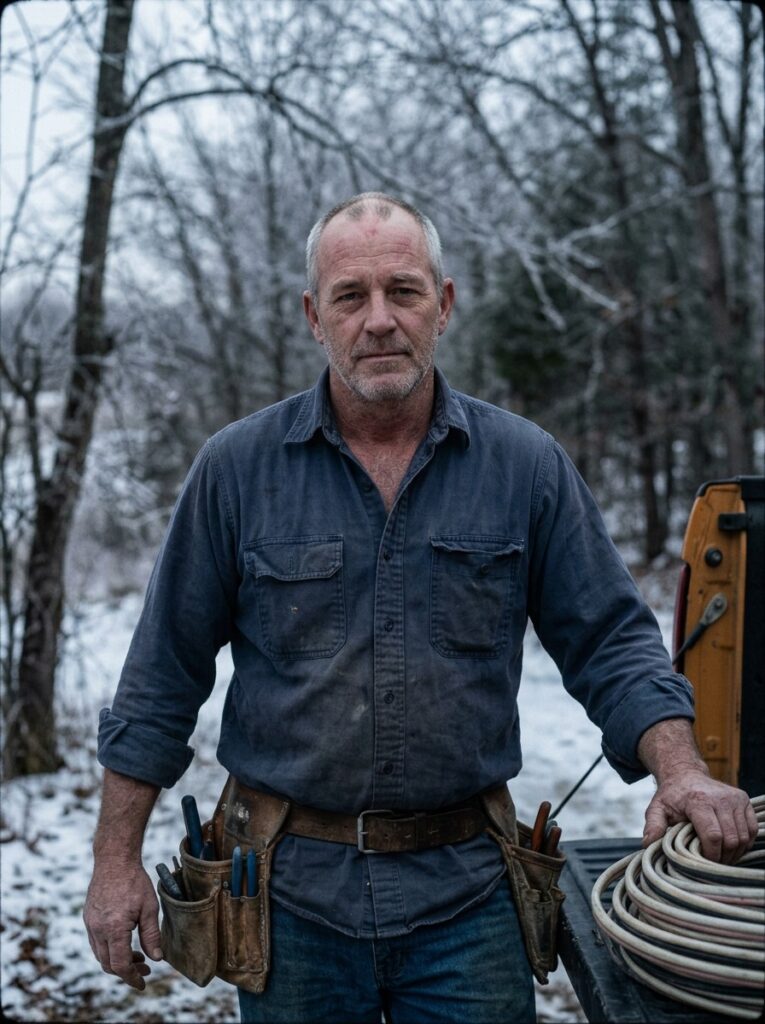
Founder · Power outages and home heat
Dan Brackett
56, Gainesville, Missouri. Twenty-two years as a rural distribution lineman, most of it in the Ozarks, where a bad ice year can put six counties in the dark at once. He has worked nine of them. Dan writes everything on this site about outages, generators, heat and the first four hours.
The people who did best were never the ones with the most gear. They were the ones who had already decided who was in charge of what.
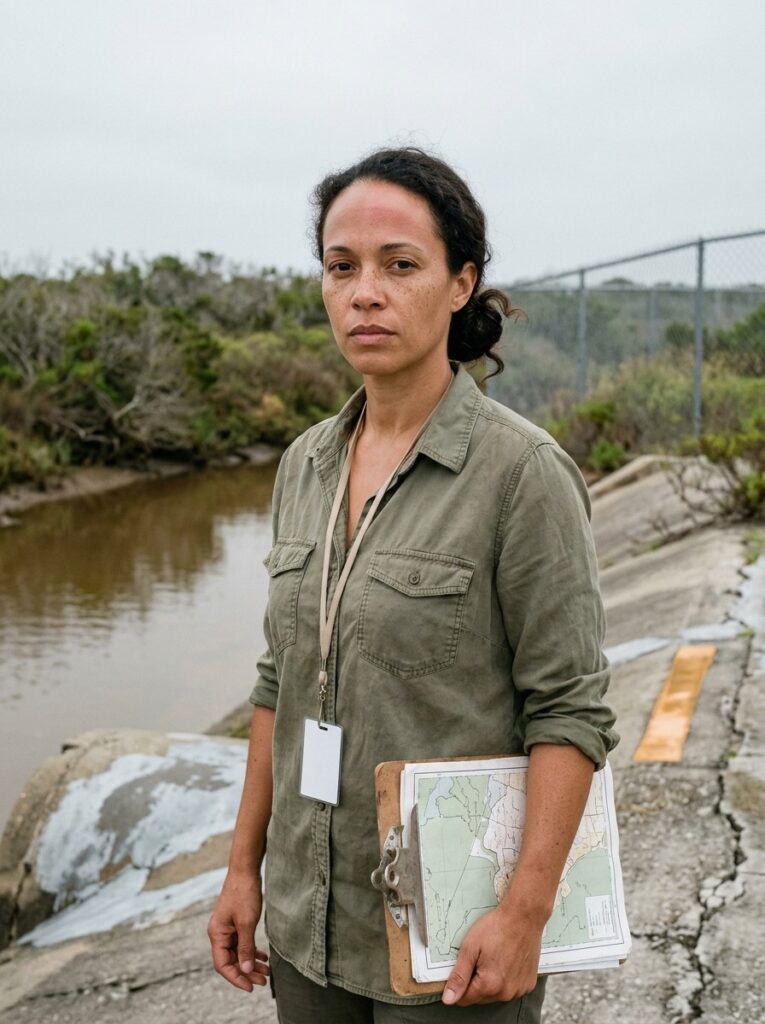
Water · Evacuation and route planning
Renata Sowell
41, Foley, Alabama. Eleven years as a county floodplain manager, which mostly means she has read several hundred accounts of how an evacuation went wrong and why. Renata handles water storage, water treatment, documents and the question of whether to leave at all.
Most households plan for the disaster they saw on television, not the one their own county keeps having.
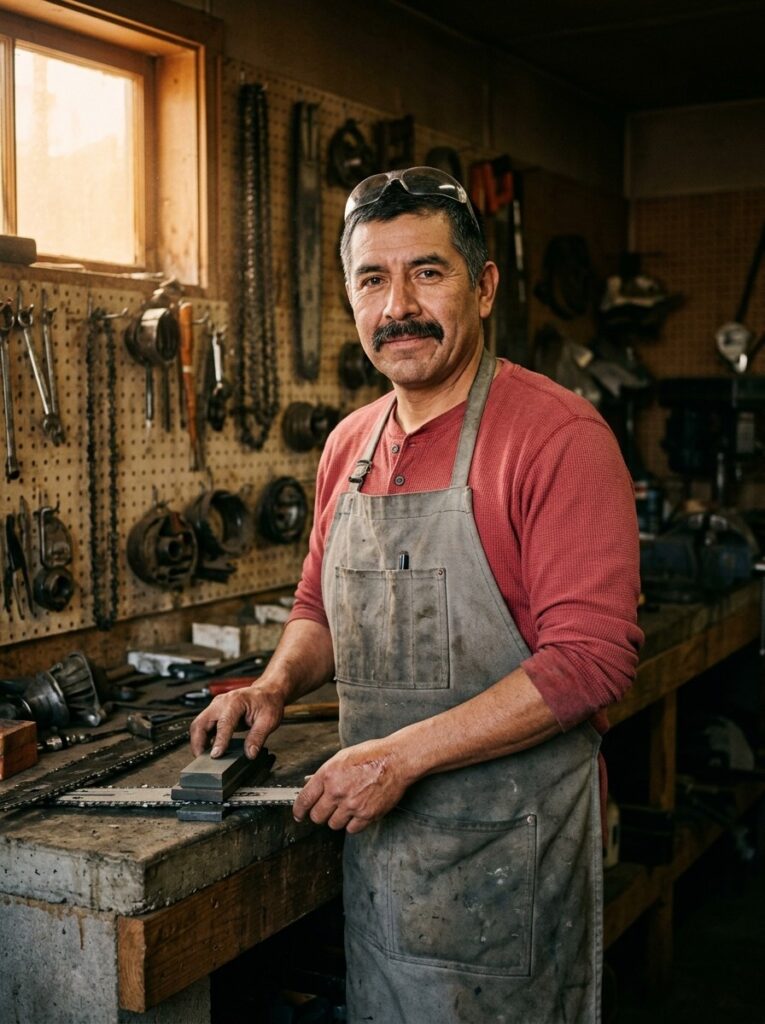
Tools · Blades and edge care
Abel Cortines
48, Espanola, New Mexico. Fourteen seasons on a wildland fire crew, then a saw and sharpening shop he still runs. Abel covers anything on this site with an edge on it: steel, grind geometry, handle material, and what actually happens to a cheap blade in cold, wet work.
I can tell how a household lives from ten minutes with their knives. It is the most honest thing in the drawer.
Why blades
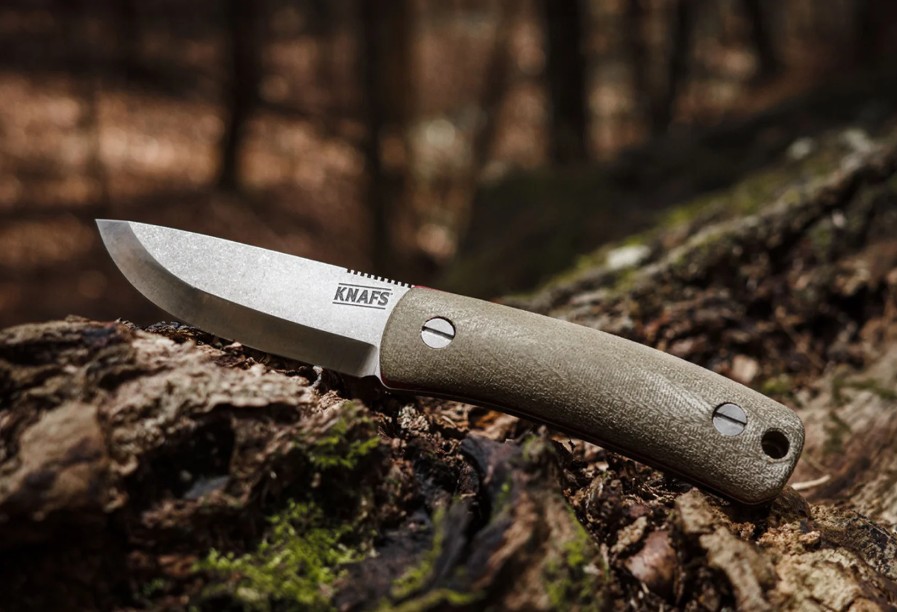
Why does a preparedness site keep writing about knives?
Because a blade is the only thing on a readiness list that is not consumed. Everything else on the list is spent, expires, or runs flat.
Batteries drain. Filters clog. Food rotates whether you use it or not. Fuel is gone the moment you burn it. A knife is the one line item a household buys once, and if it was built to be maintained rather than replaced, it will still be working when the people who bought it are not. That makes it a different kind of decision, closer to choosing a well pump than to choosing batteries.
So we treat it like one. Abel writes about steel, grind geometry, heat treatment and handle material the same way Renata writes about storing water: these are choices you make once and live with for twenty years, and the difference between a good one and a bad one only shows up when conditions are poor. That is also why we pay attention to who ground the blade. Small shops will tell you what steel they used and why they chose that grind. Most of what sits on a supermarket rack will not.
Editorial
How we test, and what we do not do
Testing here means using something through a real season and writing down when it failed. It does not mean unboxing.
Where a guide reports a result, it came out of one of three households in Missouri, Alabama and New Mexico, across four winters. That is a small sample and we say so in the guides. It is also three households more than most articles on the subject can claim, and it is why our numbers sometimes disagree with the packaging.
- No affiliate links. There are none anywhere on this site, in any guide, including the ones that name specific gear.
- Nothing is sold here. No buckets, no courses, no memberships, no newsletter list to join.
- Federal guidance is cited, not paraphrased. Where Ready.gov, the USDA or the EIA has a figure, we link to it and use their number rather than a rounded one.
- Corrections stay visible. When something we published turned out to be wrong, we say what changed and when, in the guide itself.
A note on what this site is not, from Renata Sowell
We are not emergency management and we are not your county. If an evacuation order comes, follow it, and do not stop to read a checklist first. Everything here is meant to be done on an ordinary Tuesday so that you are not reading anything at all on the bad night.
Every guide on this site is signed, because advice with nobody attached to it is worth very little. If we get something wrong, you know exactly which of the three of us to write to.
Dan Brackett, founder
Something here is wrong, or missing?
Write to Dan. Corrections, questions about your own county, and requests for guides we have not written yet all go to the same address.